When the Grid Became the Constraint and the Differentiator
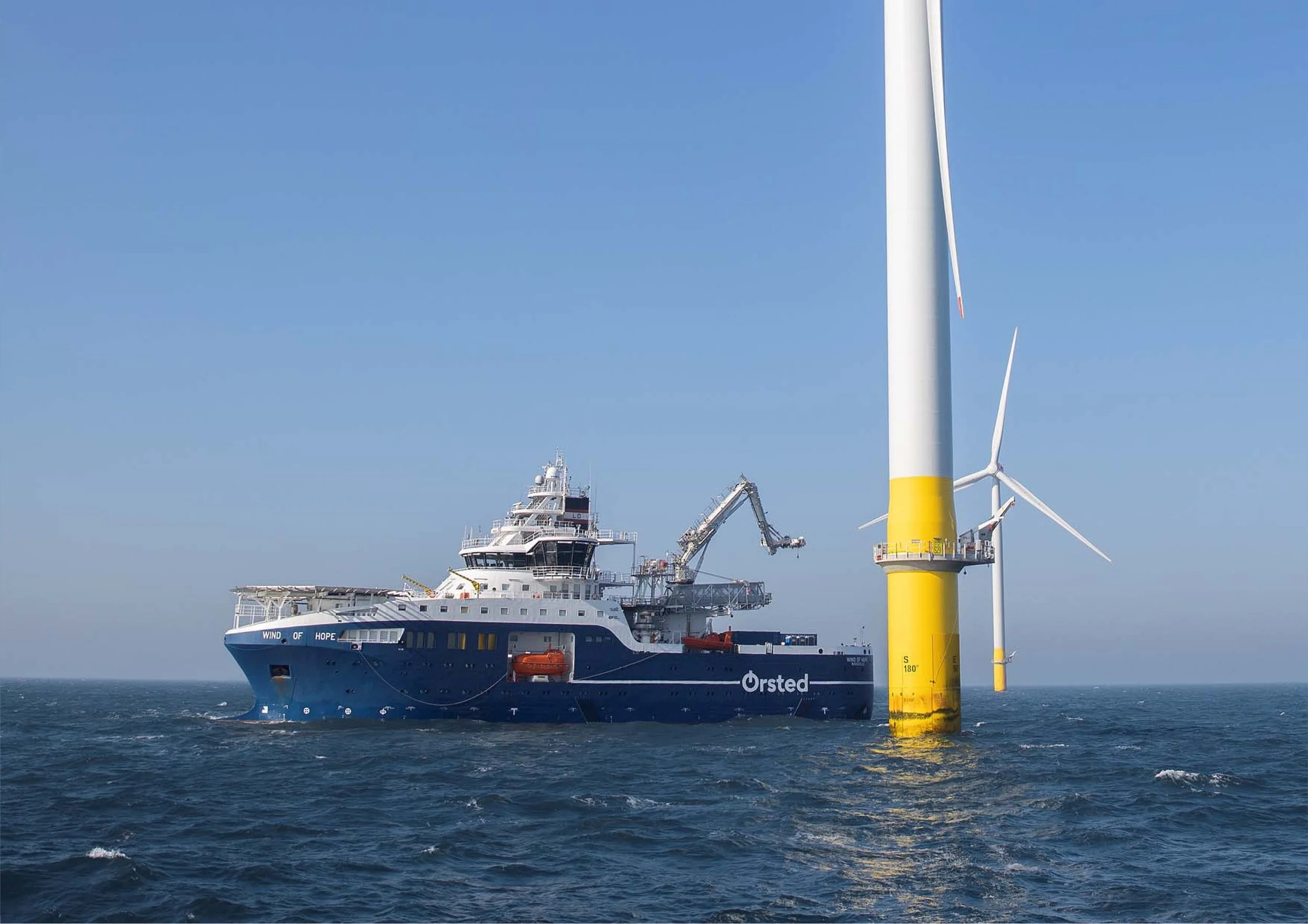
In early 2022, the offshore wind industry entered a different phase of maturity. Turbine ratings kept climbing. Auction prices stayed aggressive. Policy targets expanded. Yet the hardest problems no longer sat in the nacelle or the blade. They sat in the power system.
I saw this clearly in the first quarter of 2022 at Ørsted. The quarter exposed a simple truth. Offshore wind does not only fail or succeed at sea. It may also succeed or fail at the grid interface.
That quarter tested every assumption we held about schedule certainty, commissioning readiness, and the resilience of offshore electrical systems under stress. It also clarified what strong grid leadership looks like when markets, supply chains, and geopolitics shift at the same time.
This article reflects on Q1 2022 results through the lens of offshore transmission and grid integration at Ørsted. It focuses on execution reality, explains what worked, what didn’t, and what changed as a result.
The operating context no one planned for
Q1 2022 did not arrive quietly. Energy markets reacted to war in Europe. Inflation surged across heavy industry. Global logistics strained under COVID aftershocks. Electrical equipment lead times stretched further.
None of these forces were abstract. They translated into very practical questions for grid teams.
Can we still energize on the date assumed at bid?
Do our commissioning sequences tolerate delay in one subsystem?
Which risks are technical, and which are contractual or regulatory?
Grid integration moved from a background function to a front-line discipline. Every late decision carried capital exposure. Every incomplete study carried schedule risk.
Hornsea 2: physical completion is not the finish line
By Q1 2022, Hornsea 2 had reached a milestone many projects celebrate too early. All foundations, array cables, and turbines were installed offshore.
From a construction lens, the project looked close to done. From a grid lens, the hardest work was still ahead.
Commissioning progressed slower than planned. Turbine energization and testing did not follow the original ramp profile. This mattered for two reasons.
First, the project faced commercial exposure during a period of extreme power prices. Being overhedged when generation lags is not a financial abstraction. It is real value leakage.
Second, the delay reinforced a lesson that now shapes how we govern projects. Mechanical completion does not equal electrical readiness. The grid only recognizes tested, proven, and compliant assets.
What changed after this point was not effort. It was focus.
Commissioning readiness moved earlier in the project timeline.
Evidence packs became a managed deliverable, not a closing task.
Defect resolution speed became a leadership metric.
Hornsea 2 clarified that grid integration discipline determines how fast steel turns into revenue.
Greater Changhua 1 and 2a: first power as a systems milestone
In Taiwan, Q1 2022 marked a different kind of inflection point. Greater Changhua 1 and 2a achieved first power in early April.
First power is often treated as a symbolic moment. From a grid perspective, it is a systems test. Reaching first power meant that multiple interfaces worked together under live conditions.
Offshore substations energized and synchronized
Export cables performed under load
Onshore substations interfaced cleanly with the Taiwanese grid
Protection, control, and SCADA behaved as designed
This mattered well beyond the project itself. Greater Changhua represented one of the first large-scale offshore wind grid connections in Taiwan. Grid code interpretation, compliance sequencing, and regulator confidence all moved forward with this milestone.
The project demonstrated that complex offshore electrical systems can be integrated into a new market without eroding reliability. That confidence compounds across future projects.
South Fork: the discipline of FID readiness
Q1 2022 also marked Final Investment Decision for South Fork, Ørsted’s first offshore wind project in the United States.
From the outside, FID appears financial. Internally, FID is a grid decision as much as a capital one. By the time a project reaches FID, the grid team must answer hard questions with evidence.
Is the interconnection location fixed and defensible?
Are system upgrade costs bounded, not guessed?
Are grid code obligations mapped to actual equipment and tests?
Do long-lead items align with the construction sequence?
South Fork reached FID because those answers existed. The project had a clear grid execution plan, aligned across engineering, procurement, construction, and regulatory engagement.
That discipline mattered in a US market where offshore wind grid processes were still evolving. South Fork helped set expectations for what “ready” looks like.
Cable integrity: learning faster than the failure curve
The quarter also forced a reset on offshore cable protection.
Ørsted reassessed the expected cost of cable integrity remediation and reduced the projected impact to around DKK 1.3 billion. Part of a prior warranty provision was reversed after deeper analysis and partner engagement.
This was not a bookkeeping exercise. It was an engineering one.
The work involved physical inspections, seabed assessment, and targeted stabilisation measures. Rock placement and protection systems were redesigned based on observed behavior, not assumptions.
The broader lesson mattered more than the number.
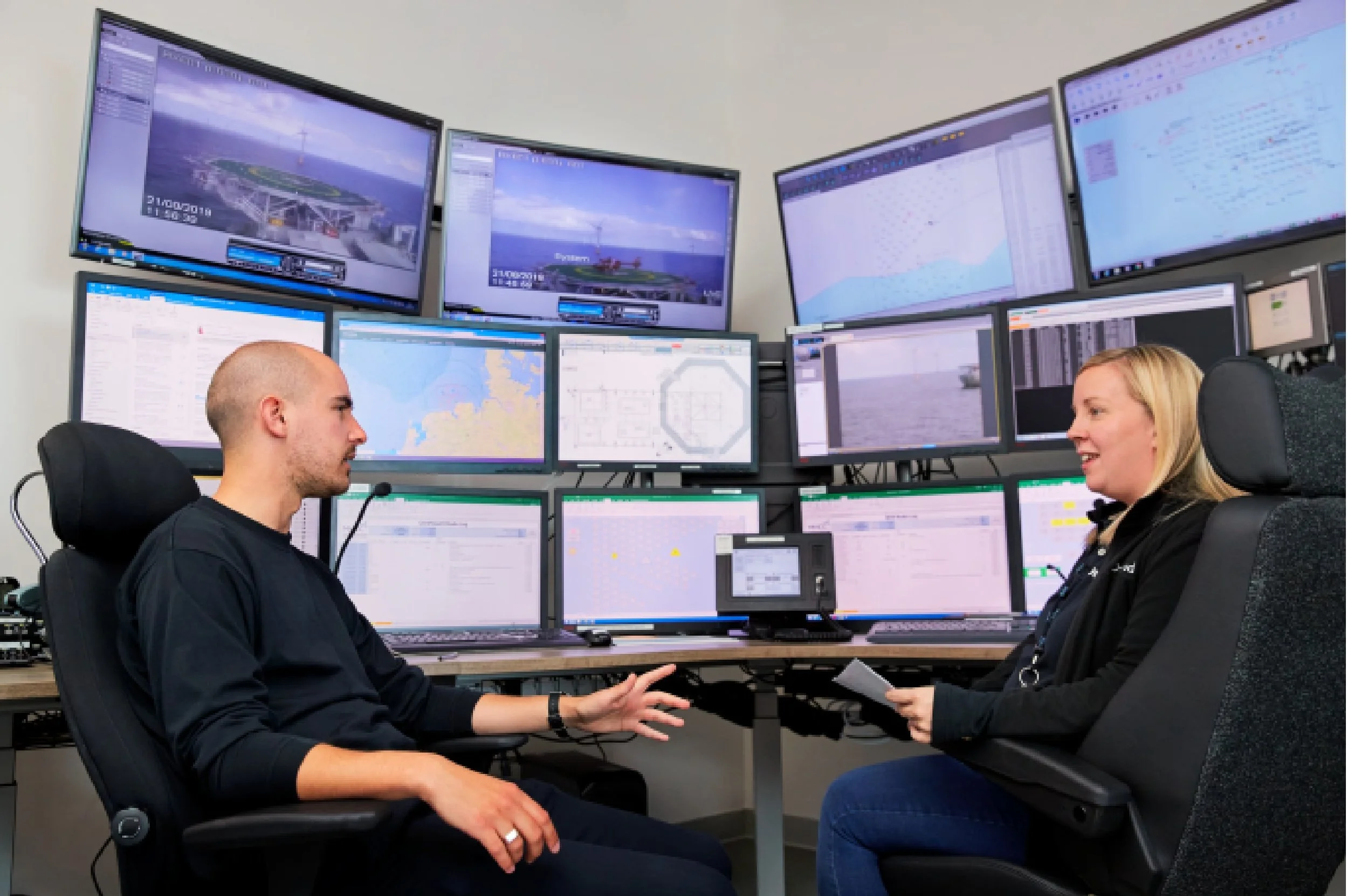
Export and array cables are not passive assets. They interact with seabed dynamics, installation tolerances, and lifetime loading. Managing that interaction demands feedback loops between design, construction, and operations.
By Q1 2022, those loops tightened.
What made the quarter hard
Several forces converged to make Q1 2022 difficult from a grid integration standpoint.
Commissioning sensitivity. Delays in one subsystem cascaded into commercial exposure.
Transmission tariffs. UK transmission charges increased, affecting operating economics.
Market volatility. Power price spikes magnified the cost of schedule slip.
Regional constraints. COVID restrictions in Taiwan still posed execution risk.
None of these challenges were novel on their own. Their coincidence was.
Grid teams had to separate what could be controlled from what had to be absorbed. That distinction guided decision-making throughout the quarter.
The leadership shift inside grid integration
Q1 2022 marked a quiet change in how grid integration was led. The function stopped being defined by permits and studies. It became defined by delivery outcomes.
Several shifts followed.
Grid risk was discussed in executive forums alongside supply chain and finance.
Decision rights around technical trade-offs became clearer.
Engineering judgment gained more weight earlier in the project cycle.
This did not slow projects. It reduced late-stage surprises.
The quarter reinforced that grid integration is an industrial process. It spans years. It starts before a bid. It ends only when the system operator accepts the asset as compliant and reliable.
What this created space for
The pressures of the quarter opened new opportunities.
Commissioning discipline improved. Evidence management matured. Design-for-integrity principles strengthened across export systems.
More importantly, the quarter reframed grid integration as a source of competitive advantage.
Projects that master grid delivery win in subtle ways.
They reach revenue sooner.
They reduce capital volatility.
They earn regulator trust.
They create repeatable execution patterns.
This quater results at Ørsted made that visible.
What came next from this point
By the end of the quarter, the path ahead was clearer.
Hornsea 2 needed disciplined commissioning closure. Greater Changhua needed sustained execution through completion. South Fork moved into detailed design and procurement with FID confidence.
Across the portfolio, grid integration moved earlier, deeper, and closer to enterprise decision-making.
That shift did not happen because of theory. It happened because Q1 2022 made the cost of late clarity undeniable.
A closing reflection
The energy transition has many visible symbols. Turbines are the most obvious. Transmission cables, substations, and grid integration are not.
Yet this quarter’s outcome reinforced a truth that now guides how I view offshore wind delivery. The grid is where ambition meets physics, regulation, and capital discipline.
Projects succeed when leaders treat grid integration as a core business system. They struggle when it is treated as a checklist.
